

A smarter Ho.Re.Ca.
ecosystem.

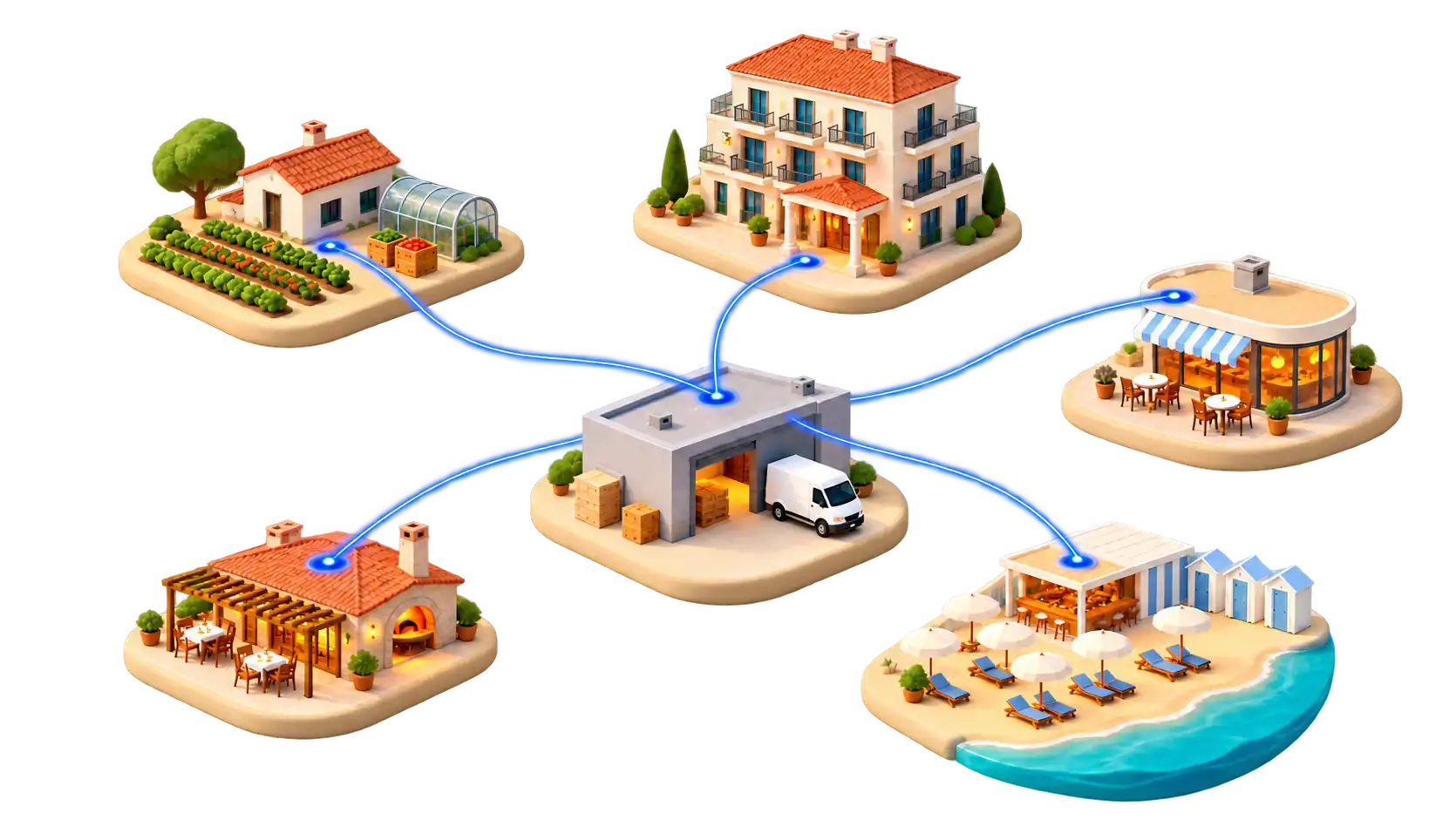
We envision a supply chain where businesses, distributors and producers are increasingly connected, with accessible information, coordinated processes and intelligent tools that support the people doing the work.

A vision centred on businesses, people and the value of collaboration.

Ho.Re.Ca. ecosystem with the supplier at the centre, connected to the farmer and hospitality businesses

A sector that keeps Italy moving. Every day.

The Ho.Re.Ca. supply chain is a pillar of the Italian economy, made up of hundreds of thousands of businesses, millions of workers and an extensive network of commercial relationships.

Yet behind this complexity, many daily processes still rely on fragmented documents, scattered communications and manual tasks.

Digi, the DigiHORECA mascot
Aggregate revenue
~€180B

of aggregate annual revenue across businesses, distributors and producers of the chain.

Economic weight
~8%

of Italian national GDP, referring to the extended Horeca supply chain.

Businesses in Italy
400,000+

active businesses: hotels, restaurants, bars, beach clubs, accommodation and other Horeca activities.

Operators and workers
1.5M+

operators and workers employed across the extended Horeca sector.

Source: FIPE-Confcommercio, Rapporto Ristorazione 2026.

Connect information. Bring businesses closer together.

Every day, orders, price lists, documents and communications move through the Ho.Re.Ca. supply chain, involving different operators and systems.

Our ambition is to encourage a digital ecosystem where buyers, distributors and producers can collaborate through information that is more accessible, organised and easy to share.

Horeca businesses

For those who buy and monitor

DigiHORECA
Distributors and producers

For those who distribute and produce

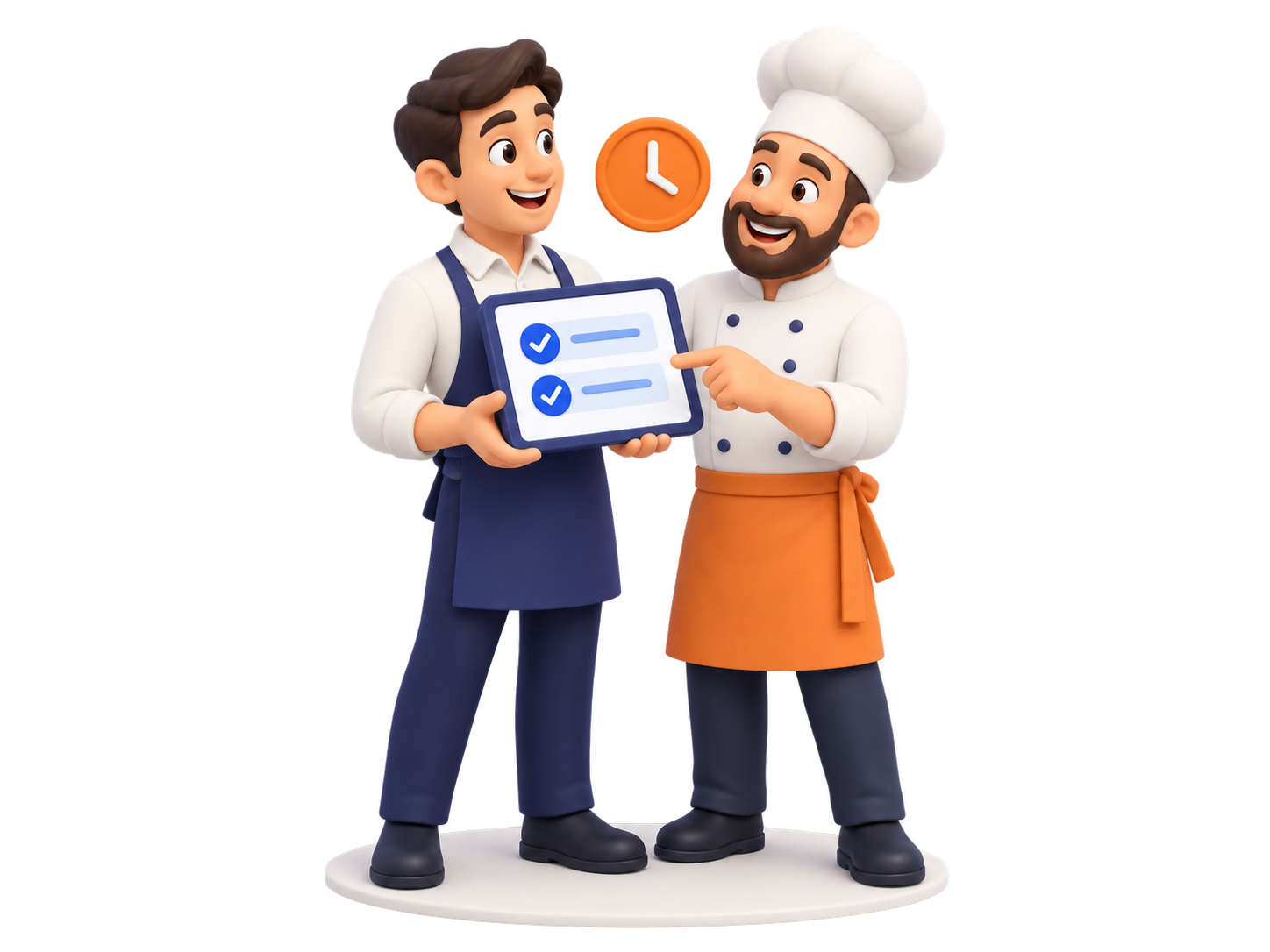
A front-of-house worker and a chef collaborate using a tablet

Technology in service of people. Not in their place.

We believe in artificial intelligence that supports people, values their skills and reduces the burden of repetitive tasks.

Less time spent on transcription, searches and manual checks. More room for decisions, relationships and service quality.

Because innovation also means improving the quality of everyday work.
More informed choices. Fewer wasted resources.

A smarter supply chain also has a better understanding of what it buys, uses and distributes.

We want to use information to support more efficient resource management, identify waste and, over time, develop tools to monitor environmental impacts.

Because a more sustainable future also starts with better-informed decisions.

Two hands hold a leaf with the recycling symbol

An ambitious vision, built one step at a time.

With DigiTracker, we have started making purchasing information more accessible and usable for Ho.Re.Ca. businesses.

Our journey looks beyond a single product: towards increasingly integrated solutions that progressively support operators and help connect the entire supply chain.

We start with concrete problems to build lasting change.

The future of Ho.Re.Ca. is built together.

Innovation comes from bringing together technology, experience and sector knowledge.

We collaborate with businesses, operators, associations and institutions to develop solutions that reflect the real needs of the supply chain.

Ask Digi

Ask Digi

Hi, I’m Digi. Do you have any questions for me?

Where shall we start?

What is your vision?
Digi

We envision a supply chain where businesses, distributors and producers are increasingly connected, with accessible information, coordinated processes and intelligent tools that support the people doing the work.

What role do people play?
Digi

We believe in artificial intelligence that supports people, values their skills and reduces the burden of repetitive tasks. Less time spent on transcription, searches and manual checks. More room for decisions, relationships and service quality.

How do you approach waste reduction?
Digi

A smarter supply chain also has a better understanding of what it buys, uses and distributes. We want to use information to support more efficient resource management, identify waste and, over time, develop tools to monitor environmental impacts.